Design Trends
Mar 14, 2025
The Future of Minimalist Architecture
Introduction
Minimalist architecture isn’t just a trend—it’s a philosophy. As we look toward the future, the demand for clean, sustainable, and purposeful spaces continues to grow. In this post, we explore what’s driving the next generation of minimalist architecture and how it's shaping the built environment.
1. Less But Better
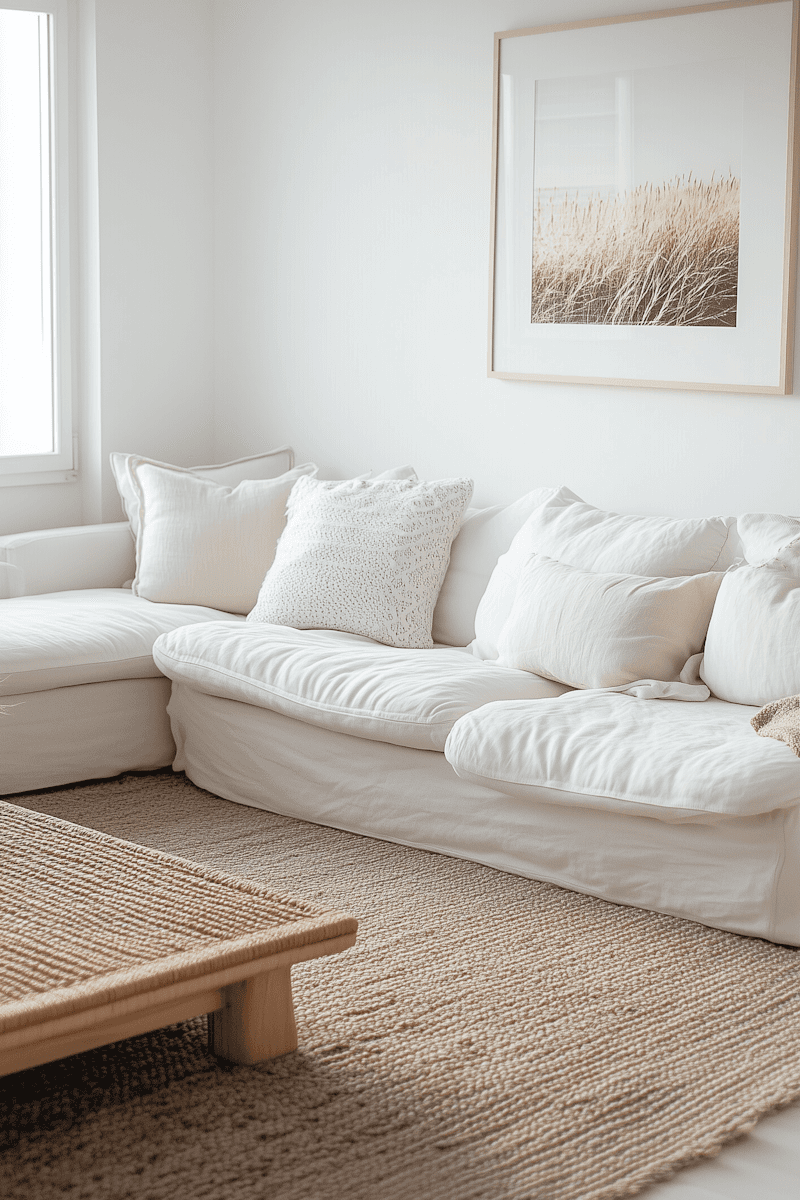
Minimalism is rooted in simplicity, but not at the cost of quality. Designers are shifting from “just less” to “less but better,” focusing on essential elements—structure, light, and form—while stripping away unnecessary decoration. The result is clarity, calm, and function-driven beauty.
2. Sustainability Meets Simplicity
With growing environmental concerns, minimalism aligns naturally with sustainable practices. Architects are embracing locally sourced materials, passive cooling systems, and solar integrations to create homes and buildings that are both stylish and conscious of their carbon footprint.
3. Tech-Integrated Spaces
The future of minimalism also lies in smart design. Think hidden storage, automated lighting, and modular furniture that maximizes space in compact urban environments. The integration of technology keeps the visual space uncluttered while offering maximum functionality.
4. Emotional Minimalism
Beyond aesthetics, minimalist architecture contributes to mental wellness. Fewer distractions, natural light, and intentional layouts encourage mindfulness and calm—a priority for many in the fast-paced modern world.
5. Global Influence, Local Adaptation
While minimalism has roots in Japanese and Scandinavian design, it's being reinterpreted globally. Architects are blending minimalist principles with local materials, climate needs, and cultural context—creating something truly timeless and unique.
Conclusion
Minimalist architecture is not about denying beauty—it’s about refining it. As we design for the future, the focus will be on spaces that are intelligent, sustainable, and human-centered. At spatia, we’re proud to lead this evolution by designing environments that are both purposeful and poetic.